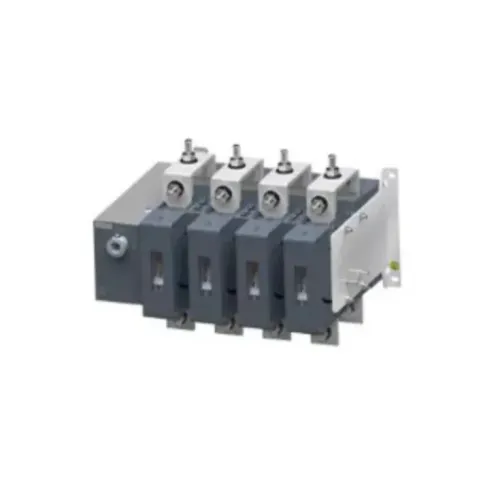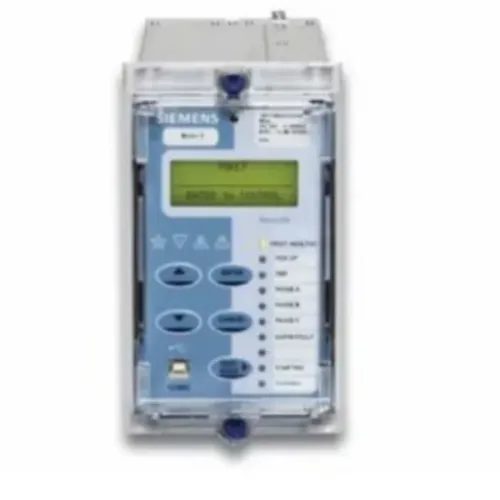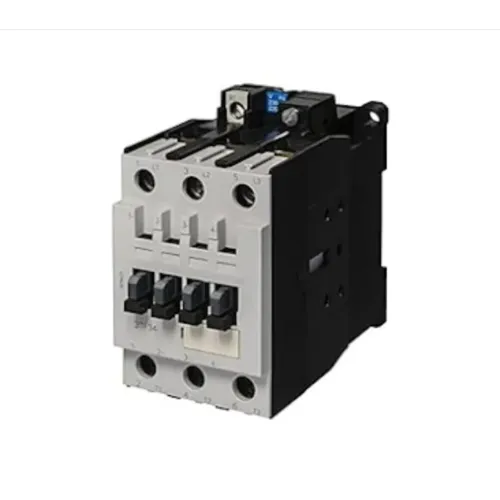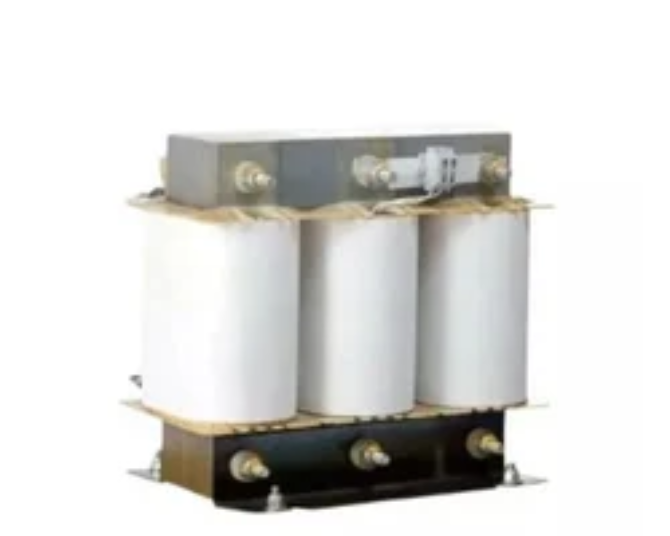
Industrial electrical networks have changed considerably as factories have adopted variable frequency drives, UPS systems, rectifiers and electronic automation equipment. These technologies improve process control and efficiency, but many are nonlinear loads that can introduce harmonic currents into the electrical network.
A Harmonic Filter Supplier becomes relevant when measurements indicate harmonic distortion that requires a technically appropriate mitigation strategy.
What harmonics mean in practice
An ideal AC waveform is sinusoidal. Nonlinear equipment can draw current in a non-sinusoidal pattern, creating harmonic components at multiples of the fundamental frequency.
The practical effects depend on the network and severity of distortion. Potential concerns can include additional heating, capacitor stress, transformer loading and interference with certain electrical equipment.
Because similar symptoms can have several causes, engineers should avoid assuming that every overheating or nuisance-tripping issue is caused by harmonics.
Measurement should come first.
Identify the harmonic-producing loads
Common industrial sources can include:
- Variable frequency drives
- Rectifiers
- UPS equipment
- Welding equipment
- Switched-mode power supplies
- Certain electronic control systems
The quantity and operating pattern of these loads influence the network's harmonic profile.
A facility that has gradually added VFD-controlled motors over several years may have different electrical characteristics from those considered when its original distribution system was designed.
Passive and active approaches
Harmonic mitigation can use different technologies depending on the application.
Passive filtering arrangements use combinations of electrical components designed for particular harmonic conditions. Active harmonic filters use power electronic control to inject compensating currents dynamically.
The appropriate solution depends on the harmonic spectrum, load variability, system architecture and required performance.
Neither approach should be selected merely because it is more familiar.
APFC systems need careful evaluation
Capacitor banks deserve particular attention in networks containing significant harmonics. The interaction between capacitance and network inductance can create resonance-related concerns.
Industrial sites experiencing repeated capacitor failures should therefore investigate network conditions rather than continually replacing capacitors without identifying the underlying cause.
Facilities in Nagpur and industrial areas across Maharashtra increasingly use drives and electronic automation as production systems become more sophisticated. This makes power-quality assessment increasingly relevant to electrical maintenance and expansion planning.
Contact Electrical & Automation Pvt. Ltd. works with industrial electrical and automation requirements in Nagpur, including products associated with power quality, power distribution and motor control.
Before purchasing filtering equipment, engineers should gather meaningful electrical measurements, identify major nonlinear loads and understand the operating profile of the plant. The objective is to solve a measured power-quality problem rather than install additional equipment based on assumptions.
A correctly evaluated harmonic mitigation strategy can support a healthier electrical environment, but its effectiveness begins with diagnosis. Measurement, system analysis and application-specific product selection should remain the foundation of the decision.