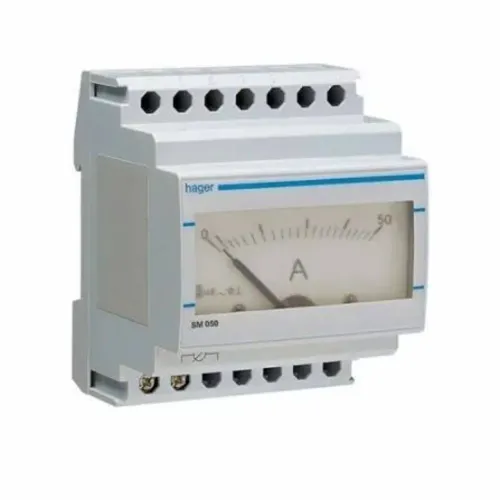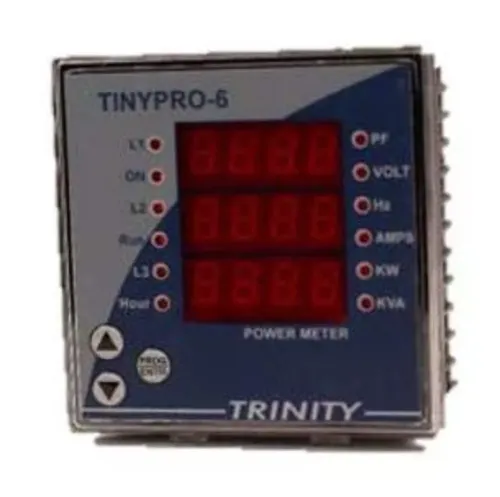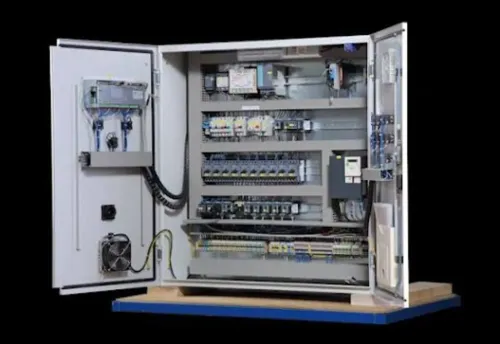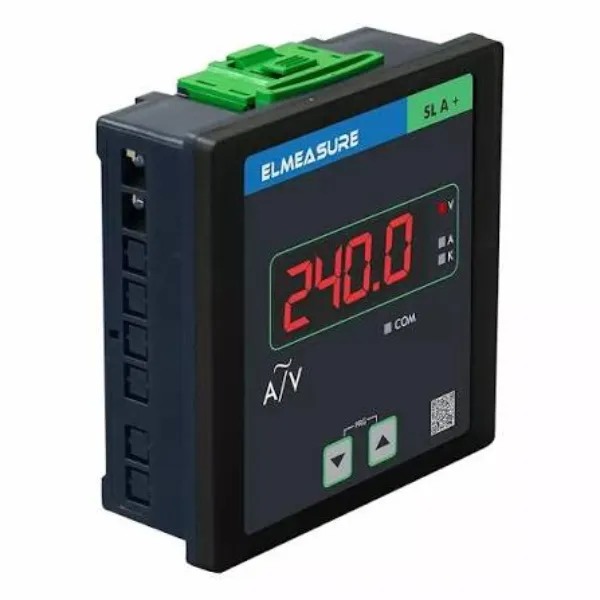
Choosing the right electrical measuring instrument is essential for maintaining a safe and efficient power distribution system. One question frequently asked by factory owners, maintenance engineers, and electrical consultants is whether a Three Phase Ammeter Supplier or a single-phase ammeter is the better choice for their application.
The answer depends on the type of electrical system, connected equipment, and operational requirements. Understanding the differences between these two instruments helps businesses make better purchasing decisions while avoiding unnecessary costs or incorrect installations.
For industries in Bhandara, where manufacturing, fabrication, processing, and engineering facilities continue to expand, selecting the correct measuring instrument plays an important role in improving equipment reliability and preventive maintenance.
Understanding the Difference
Although both instruments measure electrical current, they are designed for different types of electrical systems.
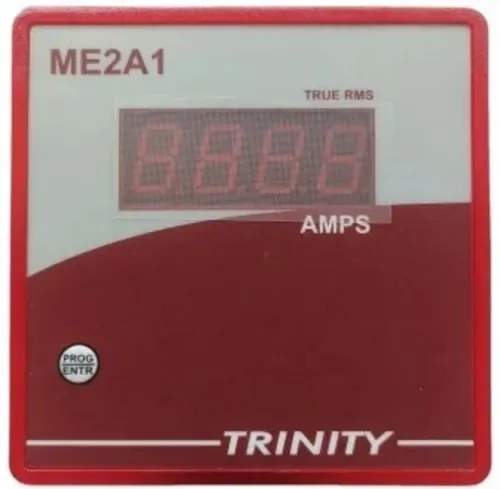
A single-phase ammeter measures the current flowing through a single-phase circuit and is generally used in smaller electrical installations.
A three-phase ammeter, on the other hand, measures the current across all three phases of a three-phase electrical system, making it suitable for industrial environments where heavy machinery and large electrical loads are common.
Understanding where each instrument performs best is the first step toward selecting the right solution.
When Is a Single Phase Ammeter the Right Choice?
Single-phase ammeters are commonly installed in applications such as:
- Office buildings
- Retail stores
- Educational institutions
- Residential complexes
- Small commercial establishments
- Lighting distribution panels
- Small generator systems
These installations usually operate on relatively lower electrical loads and do not require monitoring across multiple phases.
For facilities with straightforward electrical requirements, a single-phase ammeter provides accurate current monitoring while remaining cost-effective.
When Should You Choose a Three Phase Ammeter?
Industrial facilities typically rely on three-phase electrical systems because they deliver higher efficiency and support heavy electrical equipment.
A three-phase ammeter is commonly used in:
- Manufacturing plants
- Industrial automation systems
- Motor Control Centres
- Large compressors
- Pumping stations
- Production machinery
- HVAC systems
- Power distribution panels
These installations require continuous monitoring of all three phases to ensure balanced electrical performance.
Why Three-Phase Monitoring Is Important
A balanced three-phase electrical system improves equipment performance and reduces unnecessary stress on motors and transformers.
If one phase begins drawing significantly more current than the others, it may indicate problems such as:
- Uneven load distribution
- Mechanical overloading
- Loose electrical connections
- Motor winding damage
- Failing equipment
- Incorrect circuit balancing
Without proper monitoring, these issues can remain undetected until equipment fails or production is interrupted.
A three-phase ammeter helps maintenance teams identify these warning signs early.
Comparing the Two Options
When deciding between single-phase and three-phase current monitoring, consider the following factors.
Electrical System
If your facility operates on a three-phase electrical supply, a three-phase ammeter is generally the appropriate choice.
Connected Equipment
Large motors, production machinery, and industrial automation systems benefit from monitoring all three phases rather than just one.
Future Expansion
Businesses planning to increase production capacity should consider future electrical requirements before selecting measuring instruments.
Choosing equipment that supports long-term growth often reduces replacement costs later.
Maintenance Requirements
Three-phase monitoring provides more detailed electrical information, allowing engineers to identify load imbalances and developing faults more effectively.
Why Supplier Guidance Matters
Electrical measurement devices should always be selected according to application requirements rather than product availability.
An experienced supplier can help evaluate:
- Electrical load
- Panel configuration
- Current transformer compatibility
- Installation requirements
- Expansion possibilities
This technical guidance reduces purchasing errors and improves overall system performance.
Supporting Smarter Industrial Operations
As industries across Bhandara continue investing in automation and advanced electrical infrastructure, accurate current monitoring has become increasingly important. Reliable measurement instruments help businesses improve preventive maintenance, reduce downtime, and maintain consistent production quality.
Contact Electrical & Automation Pvt. Ltd. supplies industrial electrical measuring instruments, automation products, and power distribution solutions for manufacturing plants, commercial projects, and infrastructure developments. Businesses planning new electrical installations or system upgrades can also explore product information through contacteapl.in to better understand available monitoring solutions.
Selecting between a single-phase and three-phase ammeter is not simply a technical decision—it is an investment in operational reliability. By choosing the instrument that matches the electrical system and working with an experienced supplier, industries can improve equipment protection, simplify maintenance, and build electrical infrastructure that supports sustainable business growth.
Keywords