Selecting the right circuit protection device is one of the most important decisions when designing or upgrading an industrial electrical system. While both MCBs (Miniature Circuit Breakers) and MCCBs (Moulded Case Circuit Breakers) are designed to protect electrical circuits, they are built for different applications. Understanding these differences helps industries invest in equipment that delivers reliable protection, minimizes downtime, and supports long-term operational safety.
For industries in Chandrapur, where manufacturing plants, mining operations, and heavy engineering units operate around the clock, choosing the correct protection device is critical. This is where working with an experienced MCCB Dealer becomes valuable. Instead of selecting products based only on ratings or price, industries can choose solutions that match their actual electrical requirements.
Why Circuit Protection Matters
Electrical systems experience various faults during their operating life. These may include overloads, short circuits, earth faults, or sudden current surges caused by equipment failures. Without adequate protection, these faults can damage expensive machinery, overheat cables, interrupt production, and even create serious safety hazards.
Circuit breakers automatically disconnect faulty circuits before major damage occurs. However, not every circuit breaker is suitable for every installation.
Understanding the Difference Between MCB and MCCB
Although both devices perform a similar protective function, they differ significantly in design, capacity, and industrial application.
MCB (Miniature Circuit Breaker)
An MCB is primarily designed for low-current electrical installations.
It is commonly used in:
- Residential buildings
- Small offices
- Lighting circuits
- Individual branch circuits
- Small commercial establishments
MCBs provide reliable protection for relatively small electrical loads but have limited current and fault-handling capabilities.
MCCB (Moulded Case Circuit Breaker)
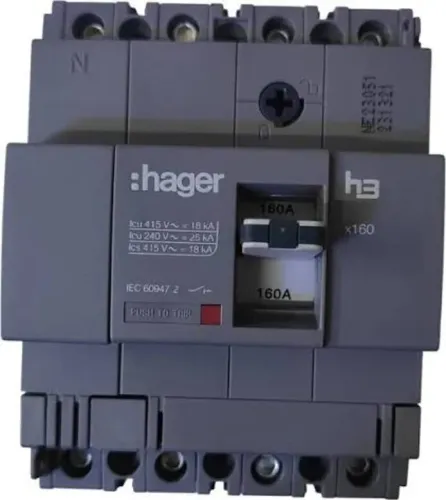
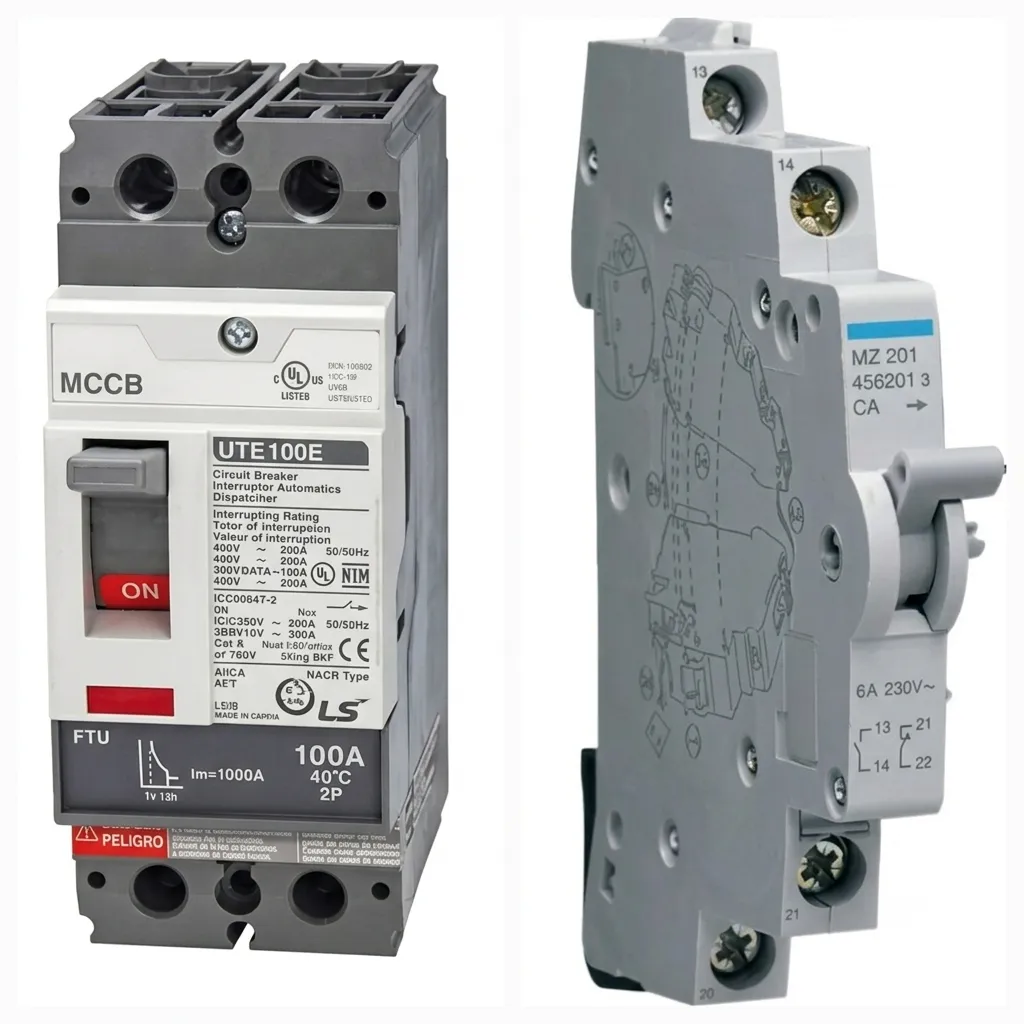
An MCCB is specifically designed for larger electrical systems that require higher current ratings and greater fault interruption capacity.
Typical applications include:
- Manufacturing plants
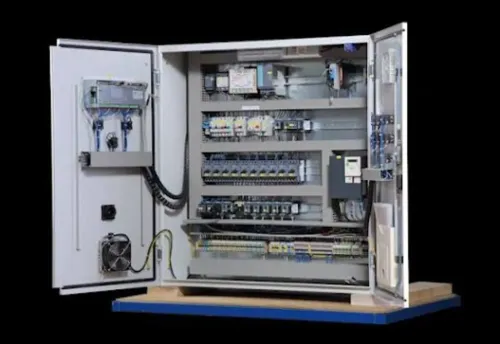
- Industrial control panels
- Commercial complexes
- Hospitals
- Hotels
- Power distribution systems
- Infrastructure projects
- Heavy machinery installations
Unlike MCBs, MCCBs often include adjustable trip settings that allow engineers to customize protection according to specific equipment requirements.
When Should an MCCB Be Preferred?
An MCCB becomes the better choice when electrical systems involve:
- High-capacity motors
- Large transformers
- Heavy industrial machinery
- Main distribution panels
- Generator protection
- Industrial automation systems
These applications demand higher fault interruption capabilities than standard MCBs can provide.
Advantages of Using an MCCB
Industrial facilities benefit from several important features offered by MCCBs.
Greater Current Capacity
MCCBs are available in significantly higher current ratings, making them suitable for heavy industrial loads.
Adjustable Protection
Many MCCBs allow engineers to adjust overload and short-circuit protection settings according to the application.
Higher Breaking Capacity
Industrial electrical systems often experience larger fault currents. MCCBs are designed to interrupt these safely without damaging connected equipment.
Better Equipment Protection
Accurate protection settings reduce nuisance tripping while ensuring faults are cleared quickly when necessary.
Future Expansion
As industries grow, MCCBs often provide greater flexibility for system upgrades compared to standard MCB installations.
Factors to Consider Before Selecting an MCCB
Choosing the correct MCCB requires more than checking the current rating.
Electrical consultants generally evaluate:
- Connected load
- Prospective fault current
- Breaking capacity
- Voltage rating
- Application type
- Environmental conditions
- Coordination with other protection devices
- Future expansion requirements
Selecting an undersized breaker can result in repeated tripping, while an oversized breaker may not provide adequate protection during fault conditions.
Why Buying from an Experienced MCCB Dealer Matters
Industrial electrical equipment should always be selected with technical guidance rather than simply comparing catalog specifications.
An experienced MCCB dealer can assist with:
- Product selection based on application
- Technical compatibility
- Proper breaking capacity selection
- Protection coordination
- Installation recommendations
- Future scalability
This expertise helps reduce design errors while improving long-term system reliability.
Supporting Reliable Industrial Power Distribution
Industrial development in Chandrapur continues to increase demand for dependable electrical infrastructure capable of supporting modern manufacturing and automation technologies. Reliable circuit protection remains one of the most important foundations of safe and uninterrupted operations.
Contact Electrical & Automation Pvt. Ltd. supplies industrial electrical products, protection devices, and automation solutions for manufacturing facilities, commercial projects, and infrastructure developments across the region. Businesses evaluating electrical upgrades can also explore technical information through contacteapl.in to better understand suitable protection solutions.
Choosing between an MCB and an MCCB should never be based solely on cost. The right protection device depends on the application, electrical load, and operational requirements. By selecting an appropriate MCCB for industrial environments, businesses can improve electrical safety, protect valuable assets, and build a more reliable power distribution system that supports future growth.
Keywords