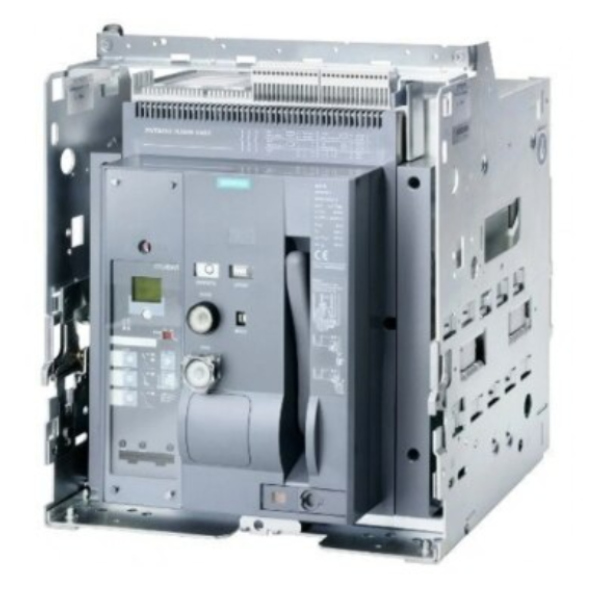
In large low-voltage distribution systems, the incomer and major feeder protection arrangement plays an important role in electrical safety and continuity. Air circuit breakers are commonly used where higher current ratings, adjustable protection and operational flexibility are required.
An experienced Air Circuit Breaker Supplier can help industrial buyers identify an ACB according to system parameters rather than treating current rating as the only selection criterion.
Where air circuit breakers are commonly used
ACBs are frequently installed in:
- Main low-voltage switchboards
- PCC panels
- Generator distribution systems
- Transformer incomer panels
- Bus coupler applications
- Large industrial feeder circuits
Depending on the design, an ACB may provide protection against overload, short circuit and other abnormal electrical conditions through its trip unit.
Ratings that should be understood
One of the first parameters buyers examine is rated current. However, an ACB must also be suitable for the prospective fault level at its installation point.
Breaking capacity, withstand characteristics, system voltage and trip-unit functionality should therefore be reviewed during selection.
Engineers may also need to consider whether the application requires a fixed or draw-out configuration. Draw-out designs can offer operational advantages in installations where inspection, replacement and maintenance accessibility are important.
Protection coordination is essential
Installing high-capacity circuit breakers at different levels does not automatically create a coordinated protection system.
Ideally, the protective arrangement should allow the device closest to a fault to clear the affected circuit while upstream equipment remains operational where system design permits. Achieving this requires careful consideration of breaker characteristics and protection settings.
Adjustable electronic trip units can provide useful flexibility, but their settings must correspond with the overall protection study and downstream devices.
Practical selection considerations
When preparing an ACB requirement, panel builders and procurement teams should provide more than a simple ampere rating. Useful information includes:
- Rated operational voltage
- Required current rating
- Prospective fault level
- Number of poles
- Fixed or draw-out requirement
- Trip-unit functions
- Required accessories
- Interlocking requirements
- Communication requirements
- Panel installation constraints
Accessories such as shunt releases, undervoltage releases, auxiliary contacts and motorised mechanisms should also be specified according to the intended control philosophy.
Nagpur's industrial facilities include manufacturing plants, processing units, infrastructure installations and engineering operations where reliable low-voltage distribution is fundamental to daily production. Selecting suitable protection equipment is therefore an engineering decision with long-term operational implications.
Contact Electrical & Automation Pvt. Ltd. supports electrical contractors, panel builders and industrial procurement teams in Nagpur with power distribution and automation products for such applications.
A properly specified ACB should fit the electrical network, fault protection strategy, control requirements and maintenance approach. Evaluating all four areas gives engineers a stronger basis for building dependable low-voltage distribution systems across industrial facilities in Maharashtra.