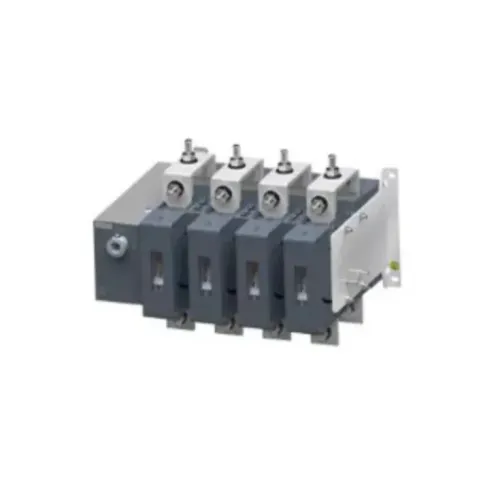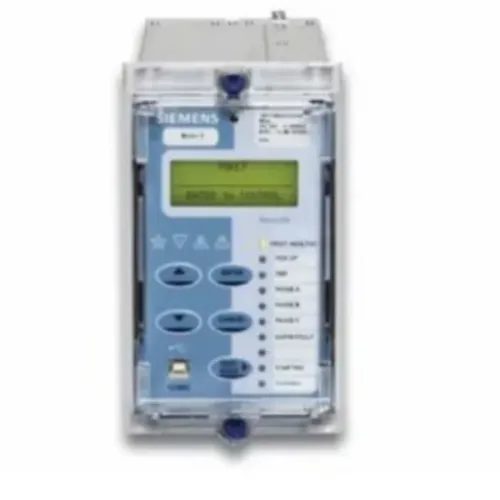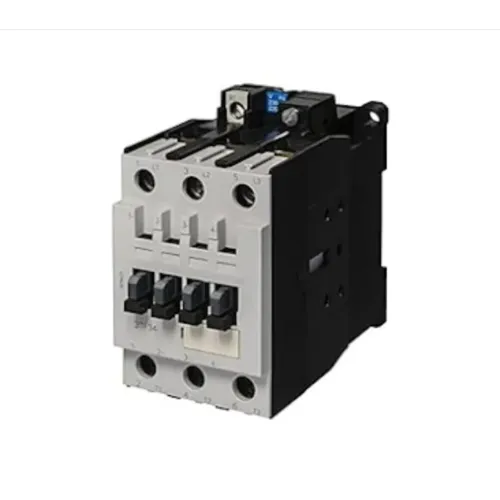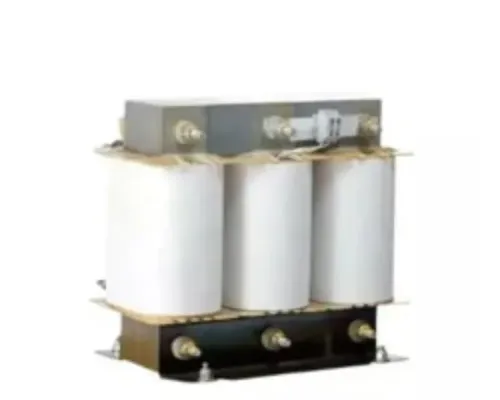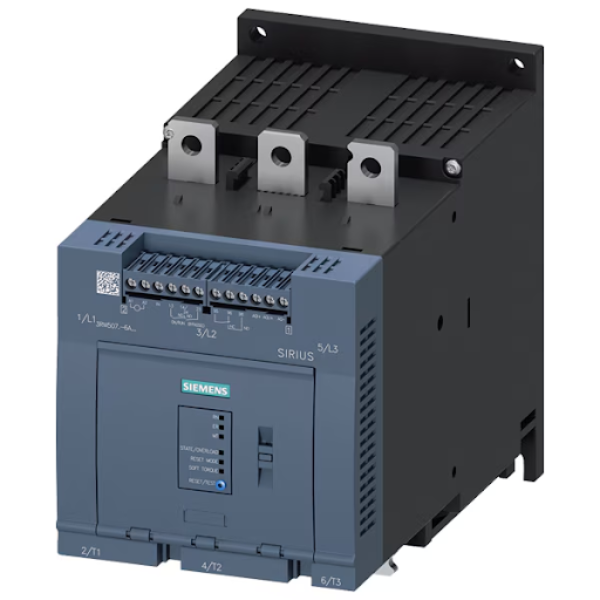
Starting an industrial motor involves more than simply applying power to the terminals. Depending on motor rating, mechanical load and electrical network conditions, starting current can be several times higher than normal running current. The starting method therefore has a direct influence on electrical stress, mechanical behaviour and process performance.
Working with a suitable Motor Starting Devices Supplier helps engineers identify starting equipment that matches the motor and application instead of applying one method across every machine.
Why motor starting methods differ
A small motor operating a simple auxiliary load may have very different starting requirements from a large motor driving a conveyor, compressor, pump or heavy production machine.
The appropriate starting arrangement depends on factors such as:
- Motor power rating
- Supply characteristics
- Starting current limitations
- Required starting torque
- Mechanical load
- Number of starts per hour
- Acceleration requirements
- Process control needs
Direct-on-line starting is straightforward but produces relatively high starting current. Star-delta starting can reduce starting current for suitable motors, while soft starters provide controlled voltage ramping. Variable frequency drives provide another level of motor speed and acceleration control when the application requires it.
Starting current is only part of the decision
A common mistake is selecting a starter only to reduce electrical starting current. The driven machine must also develop enough torque to accelerate correctly.
For example, applications with substantial starting torque requirements may not perform properly when the chosen method reduces available torque too aggressively. Engineers should therefore consider the complete motor-load combination.
Protection is another critical consideration. Depending on the system, motor starting assemblies can include short-circuit protection, overload protection, phase-related protection and control devices.
Questions engineers should ask
Before selecting motor starting equipment, collect the motor nameplate information and application details.
Useful questions include:
- What is the rated motor current?
- How frequently does the motor start?
- What load does it drive?
- Is speed control necessary?
- Does the process require gradual acceleration?
- Are there network restrictions on starting current?
- What protection functions are required?
- Will the starter integrate with PLC-based automation?
Answering these questions helps narrow the available options considerably.
Industrial operations around Nagpur and other manufacturing centres in Maharashtra use motors across material handling, pumping, processing, ventilation and machine applications. Each installation can place different demands on its starting and protection equipment.
Proper coordination matters
A motor starter does not operate independently. Contactors, overload devices, protective breakers, control relays and cables need appropriate coordination.
Contact Electrical & Automation Pvt. Ltd. works with industrial buyers, electrical contractors, OEMs and panel builders in Nagpur who require motor control and electrical distribution products for varied applications.
For engineers evaluating motor starting systems, the most useful principle is simple. Begin with the motor and driven load, understand the operating duty, then select the starting technology. This application-based approach can produce a more dependable motor control arrangement than choosing equipment according to motor kilowatt rating alone.