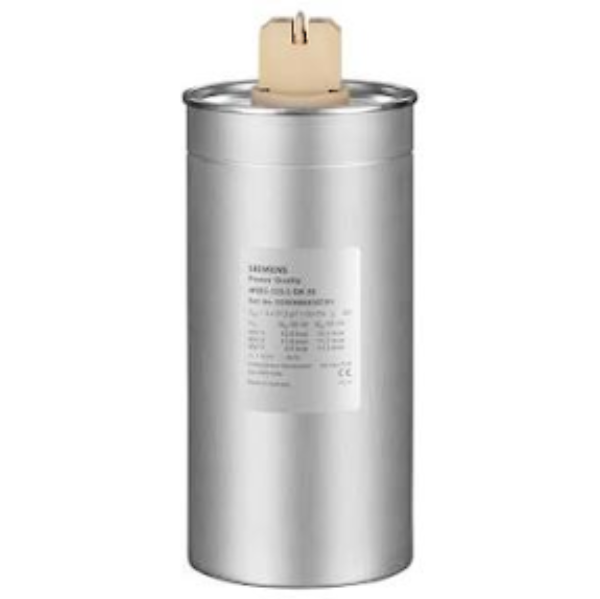
Capacitors are central to automatic power factor correction systems, but selecting them purely according to kVAr rating can create problems in industrial installations. Network voltage, ambient temperature, harmonic conditions, switching frequency and panel ventilation all influence capacitor performance.
An APFC Capacitor Supplier should therefore be evaluated on the ability to support application-specific selection rather than simply supplying a requested rating.
Begin with the required compensation
The capacitor bank should be designed according to the reactive power compensation required by the installation.
Historical electrical data, load measurements and existing power factor readings can help determine the required compensation. Engineers should also examine whether the load is stable or changes substantially throughout production.
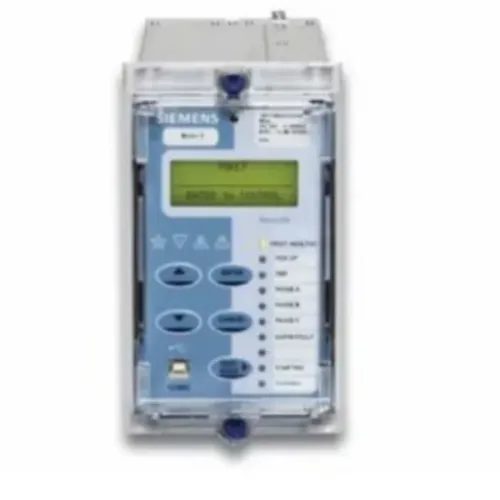
Where loads vary, capacitor stages can be divided into suitable steps and controlled through an APFC relay.
Harmonics require special attention
Modern industrial facilities increasingly use nonlinear loads such as variable frequency drives, rectifiers, UPS systems and electronic power supplies. These can introduce harmonics into the electrical network.
Capacitors interact with system inductance, which means blindly adding capacitance to a harmonic-rich network can create undesirable conditions.
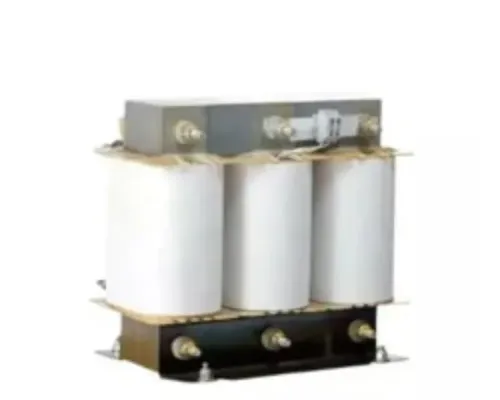
Before selecting a capacitor bank for such an installation, engineers should understand harmonic levels and determine whether a conventional APFC arrangement is appropriate or whether detuned equipment is required.
Consider operating conditions
Capacitors installed inside electrical panels are affected by temperature and ventilation.
When preparing a buying specification, consider:
- Rated voltage
- Required kVAr
- Ambient temperature
- Panel ventilation
- Switching frequency
- Harmonic environment
- Expected operating duty
- Protection arrangement
A capacitor that appears suitable from its kVAr rating alone may not be the best choice for demanding operating conditions.
Switching components matter too
The reliability of an APFC panel depends on more than the capacitor.
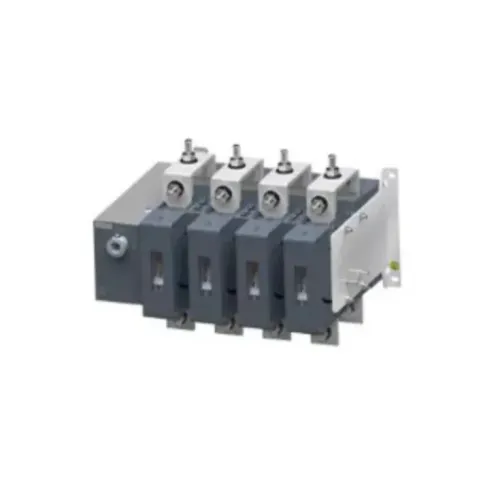
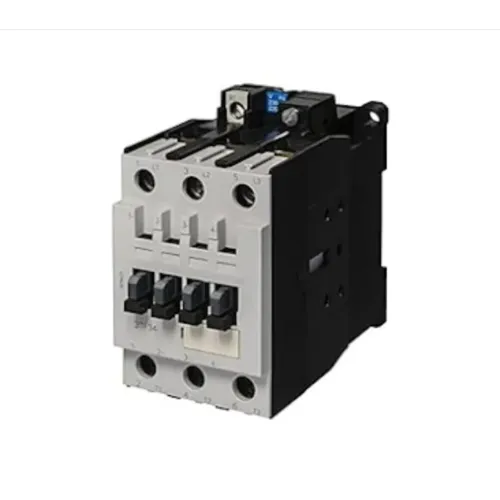
Contactors used for capacitor switching must be suitable for the associated switching duty. The APFC relay must also be programmed correctly, while protective devices and conductors need appropriate ratings.
This is why replacing individual components without understanding the complete panel can sometimes fail to resolve recurring APFC problems.
Buying for industrial continuity
Industrial procurement teams should consider future replacement requirements when selecting components. Standardising capacitor ratings and compatible panel components can make maintenance easier.
For manufacturing companies in Nagpur, this is particularly relevant where APFC panels operate continuously alongside motors, process equipment and automated production machinery.
Contact Electrical & Automation Pvt. Ltd. supports industrial buyers, contractors and panel builders in Nagpur with electrical products used in power factor correction and distribution applications.
Before issuing a purchase order, buyers should document the capacitor rating, system voltage, application, harmonic conditions and existing APFC arrangement. This information enables more meaningful technical evaluation.
The lowest-priced capacitor is not necessarily the lowest-cost choice over the operating life of a panel. A more useful buying approach considers electrical suitability, operating environment, switching conditions, maintenance requirements and compatibility with the overall APFC system.