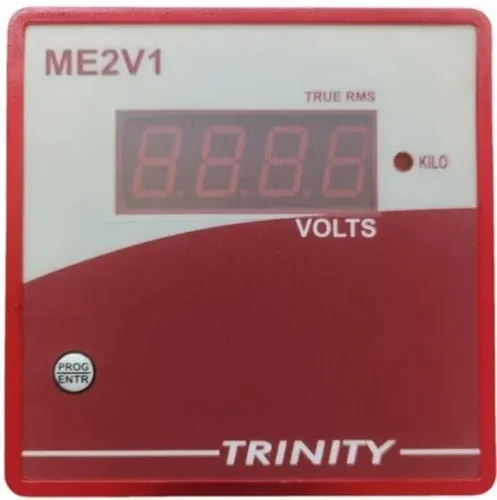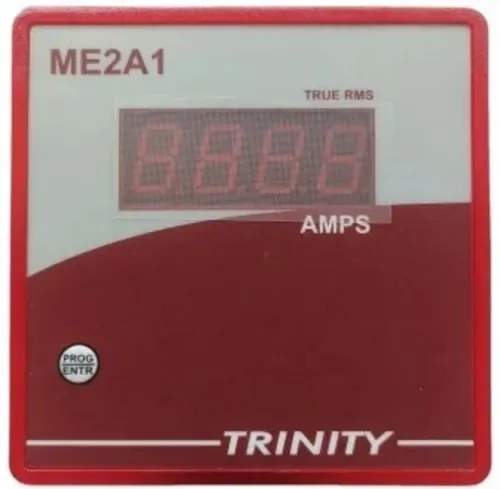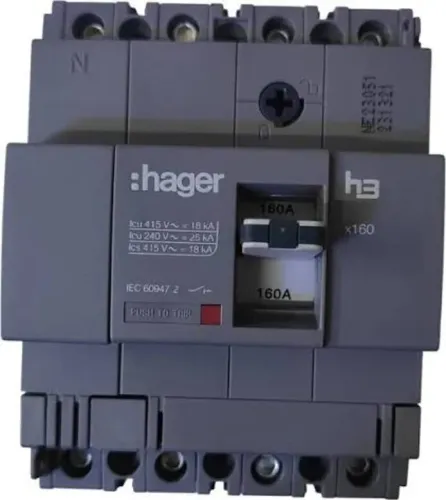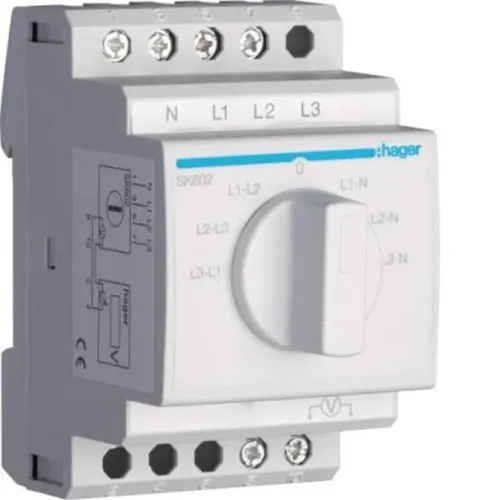
When purchasing electrical measuring instruments, many buyers focus only on price or availability. However, selecting the right voltmeter involves much more than comparing product catalogs. The instrument must suit the application, integrate with the existing electrical system, and deliver reliable performance over many years. If you're planning an electrical panel upgrade or a new installation, understanding what to evaluate before selecting a Single Phase Voltmeter Supplier can help you make an informed investment.
Across Gondia, industries, commercial establishments, educational institutions, hospitals, and infrastructure projects rely on stable voltage to operate safely and efficiently. Even minor voltage fluctuations can affect machinery, reduce equipment life, and increase maintenance costs. A quality single phase voltmeter provides continuous monitoring, allowing maintenance teams to identify abnormalities before they lead to equipment failures.
Why Every Electrical Panel Needs a Single Phase Voltmeter
A single phase voltmeter continuously measures the voltage supplied to an electrical circuit. Instead of waiting until equipment starts malfunctioning, engineers can observe voltage conditions in real time and investigate irregularities at an early stage.
Common applications include:
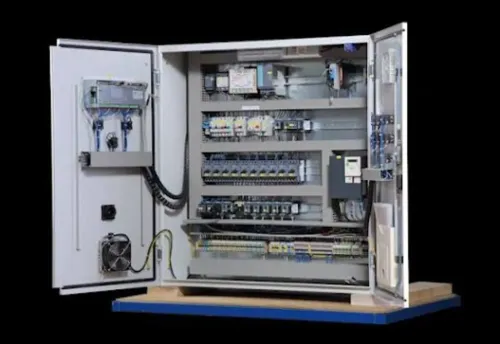
- LT distribution panels
- Commercial electrical panels
- Generator panels
- Educational institutions
- Healthcare facilities
- Office buildings
- Retail establishments
- Small manufacturing units
- Utility service panels
The information provided by a voltmeter supports preventive maintenance, improves troubleshooting, and contributes to safer electrical operations.
Step 1: Understand Your Voltage Requirements
Before purchasing any voltmeter, determine the voltage level used within your electrical system.
Different facilities operate at different voltage ranges depending on the equipment installed. Selecting an instrument with the correct operating range ensures accurate measurements while leaving room for future system expansion if required.
Electrical consultants often recommend reviewing single-line diagrams before finalizing instrument specifications.
Step 2: Choose a Digital Instrument
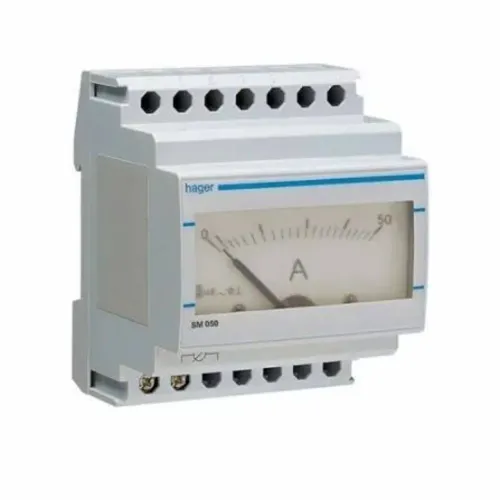
Although analog voltmeters are still available, most industries now prefer digital models.
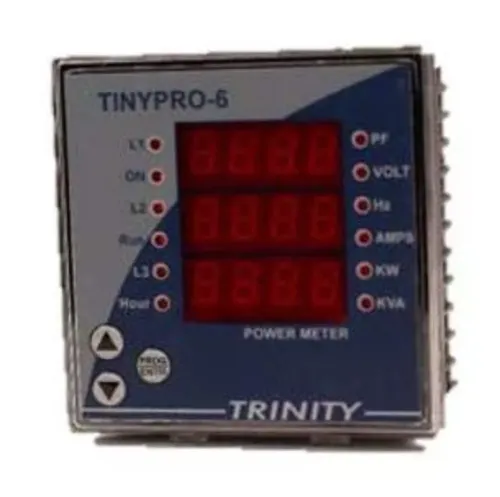
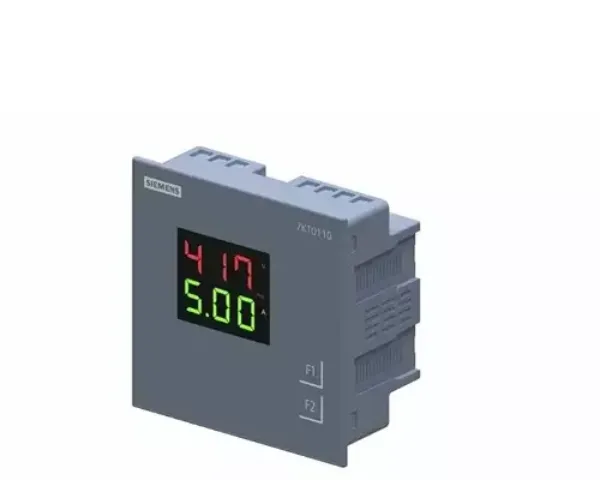
Digital voltmeters offer:
- Better measurement accuracy
- Faster response
- Easy-to-read displays
- Lower maintenance requirements
- Long operational life
- Improved reliability
For facilities where multiple operators monitor electrical panels, clear digital displays reduce reading errors and improve inspection efficiency.
Step 3: Verify Panel Compatibility
One of the most overlooked aspects during procurement is installation compatibility.
Before purchasing, verify:
- Panel cut-out dimensions
- Mounting arrangement
- Wiring requirements
- Display orientation
- Available installation space
Proper planning avoids unnecessary panel modifications and simplifies installation.
Step 4: Consider the Operating Environment
Electrical panels rarely operate in ideal conditions.
Depending on the application, the voltmeter may be exposed to:
- Dust
- Heat
- Humidity
- Mechanical vibration
- Continuous operation
Selecting an industrial-grade instrument ensures consistent performance even under demanding conditions.
Durability should be viewed as an investment rather than an optional feature.
Step 5: Evaluate Supplier Support
A supplier should provide more than just a product.
An experienced supplier can help with:
- Product selection
- Technical specifications
- Installation guidance
- Compatibility recommendations
- Future expansion planning
This support becomes especially valuable for procurement managers, EPC contractors, electrical consultants, and industrial maintenance engineers.
Questions to Ask Before You Buy
Before finalizing your purchase, consider asking these practical questions:
- Is the voltmeter suitable for my application?
- Does it match my panel dimensions?
- Will it perform reliably under industrial conditions?
- Is technical assistance available if required?
- Can similar instruments be supplied for future expansion?
The answers to these questions often determine whether the investment delivers long-term value.
Why Quality Matters More Than Initial Cost
Buying a low-cost instrument may reduce the initial purchase price, but inaccurate measurements, frequent replacements, or poor durability can increase overall operating costs.
Reliable voltage monitoring helps industries:
- Improve preventive maintenance
- Protect electrical equipment
- Reduce unexpected downtime
- Maintain consistent production
- Support energy management initiatives
Choosing quality from the beginning usually results in lower ownership costs throughout the product's lifecycle.
Building Reliable Electrical Systems
As commercial and industrial development continues across Gondia, businesses are investing in smarter electrical infrastructure capable of supporting automation and efficient power management.
Contact Electrical & Automation Pvt. Ltd. supplies electrical measuring instruments, power distribution products, and industrial automation solutions for manufacturing units, commercial buildings, and infrastructure projects. Businesses evaluating suitable monitoring solutions can also explore technical product information through contacteapl.in before planning future electrical upgrades.
A single phase voltmeter may be a compact component within an electrical panel, but its contribution to operational reliability is significant. Selecting the right instrument through an experienced supplier helps industries improve electrical safety, enhance maintenance planning, and create dependable systems that continue performing efficiently as operational demands grow.
Keywords