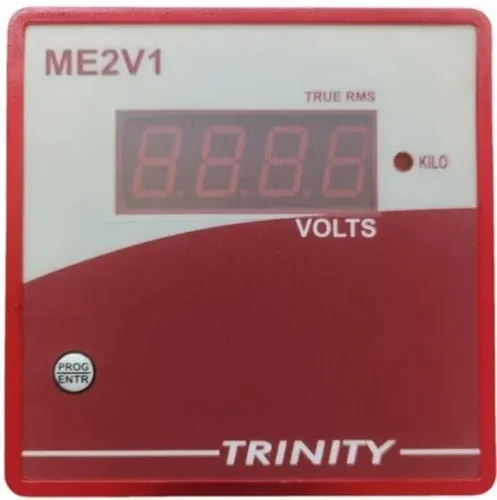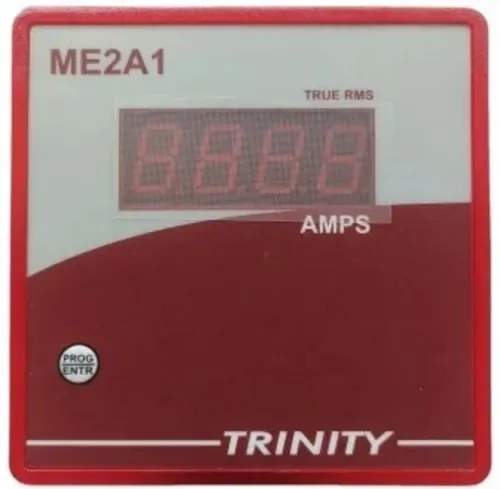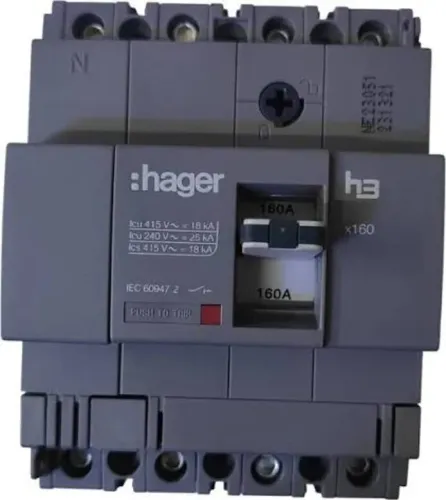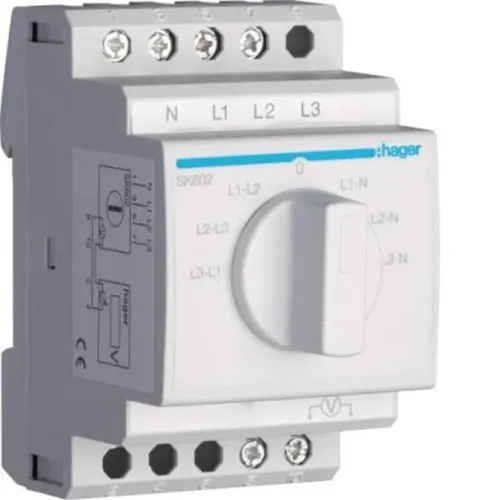
A three-phase electrical system is the backbone of most industrial facilities. It powers heavy machinery, automation equipment, compressors, pumps, and production lines that require a stable and balanced power supply. While protection devices help safeguard the system during faults, continuous voltage monitoring is equally important for maintaining reliable operations. Before selecting a Three Phase Voltmeter Supplier, it is worth following a practical checklist to ensure the instrument meets both current and future operational needs.
For industries in Yavatmal, where manufacturing, agro-processing, engineering, and infrastructure projects continue to expand, investing in the right voltage monitoring solution helps improve electrical safety, simplify maintenance, and reduce costly production interruptions.
Why a Three Phase Voltmeter Is Essential
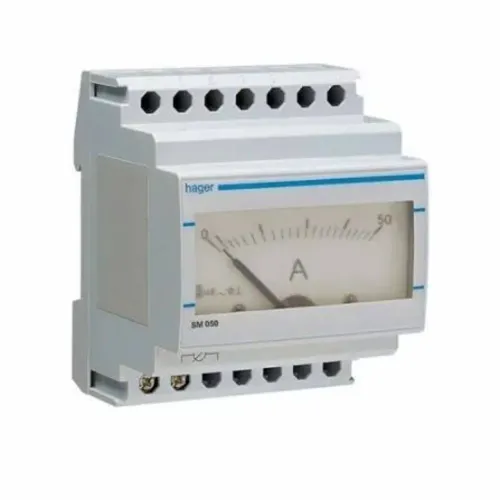
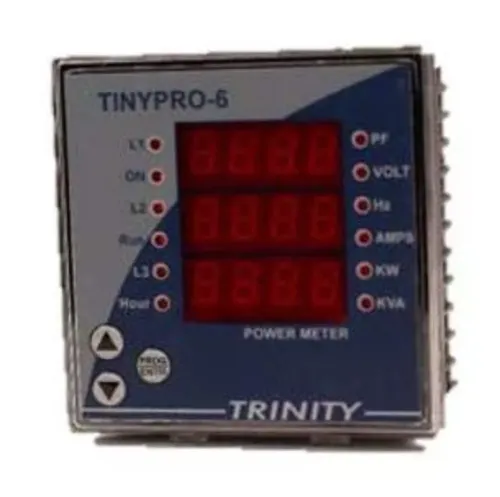
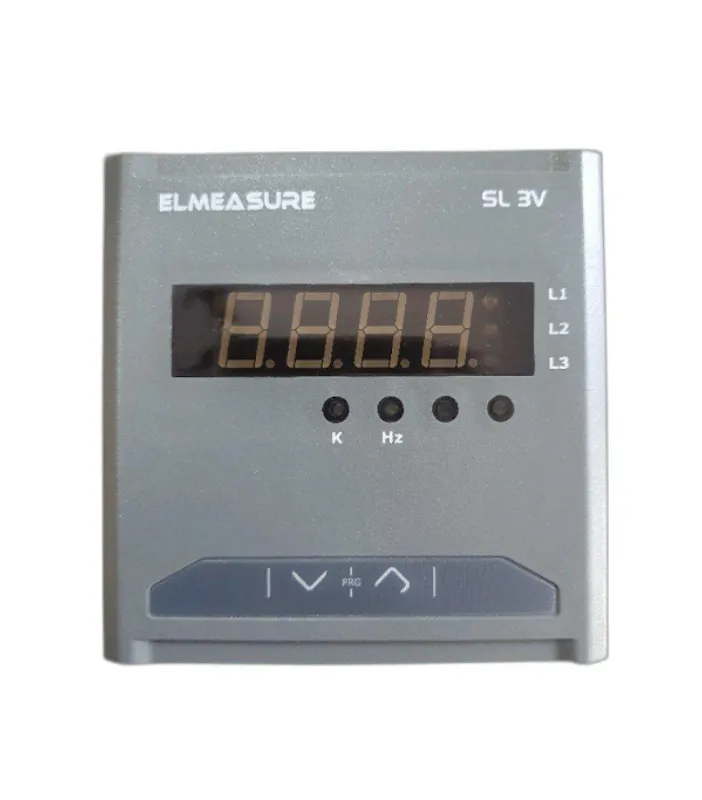
A three-phase voltmeter continuously measures the voltage across all three phases of an electrical system. This allows engineers to verify that the supply remains balanced and within the required operating range.
Voltage imbalance, sudden fluctuations, or supply instability can affect:
- Industrial motors
- Variable Frequency Drives (VFDs)
- PLC-controlled machinery
- Compressors
- HVAC systems
- Transformers
- Industrial automation equipment
Monitoring voltage in real time allows maintenance teams to identify developing issues before they impact production.
Checklist 1: Confirm Your System Voltage
The first step is identifying the operating voltage of your electrical distribution system.
Choosing a voltmeter with the correct voltage range ensures accurate readings and dependable performance. An incorrect selection may result in misleading measurements or reduced instrument life.
Review your panel drawings or consult your electrical engineer before finalizing the purchase.
Checklist 2: Check Measurement Accuracy
Accuracy is one of the most important specifications in any measuring instrument.
Reliable voltage readings help maintenance engineers:
- Diagnose faults faster
- Verify supply quality
- Monitor electrical performance
- Support preventive maintenance
Small measurement errors can sometimes lead to incorrect troubleshooting decisions, making accuracy an essential selection criterion.
Checklist 3: Evaluate Display Visibility
Electrical panels often contain several monitoring instruments installed close together.
Choose a voltmeter with:
- Bright digital display
- Clear numerical readings
- Easy viewing from a distance
- Good visibility under varying lighting conditions
This improves routine inspections and allows operators to monitor electrical conditions more efficiently.
Checklist 4: Ensure Panel Compatibility
Before purchasing, verify that the instrument matches your panel design.
Important factors include:
- Panel cut-out size
- Mounting arrangement
- Wiring configuration
- Available installation space
- Ease of replacement
Proper compatibility reduces installation time and avoids unnecessary panel modifications.
Checklist 5: Consider Industrial Operating Conditions
Industrial environments are rarely clean or temperature-controlled.
The voltmeter should be capable of operating reliably despite exposure to:
- Dust
- Heat
- Humidity
- Mechanical vibration
- Continuous operation
Selecting an industrial-grade instrument improves long-term performance while reducing maintenance requirements.
Checklist 6: Think About Future Expansion
Many industries expand production capacity over time.
When purchasing measuring instruments, consider future requirements such as:
- Additional electrical panels
- Higher production loads
- Automation upgrades
- Power distribution expansion
Selecting compatible products from a trusted supplier makes future upgrades much easier.
Checklist 7: Choose a Supplier with Technical Expertise
A supplier should do more than provide quotations.
An experienced supplier helps businesses:
- Select suitable products
- Understand technical specifications
- Ensure application compatibility
- Support installation planning
- Recommend solutions for future scalability
This technical support is particularly valuable for electrical consultants, EPC contractors, procurement managers, and industrial maintenance engineers responsible for reliable electrical infrastructure.
Why Continuous Voltage Monitoring Matters
Voltage fluctuations often develop gradually rather than suddenly.
Without continuous monitoring, facilities may experience:
- Frequent equipment tripping
- Motor overheating
- Reduced production efficiency
- Premature equipment failure
- Increased maintenance costs
A properly selected three-phase voltmeter allows maintenance teams to detect these issues early and take corrective action before operations are affected.
Supporting Reliable Industrial Infrastructure
As industries across Yavatmal continue adopting automation and modern electrical systems, dependable voltage monitoring has become an important part of efficient plant management.
Contact Electrical & Automation Pvt. Ltd. supplies electrical measuring instruments, industrial automation products, and power distribution solutions for manufacturing facilities, commercial developments, and infrastructure projects. Businesses evaluating electrical monitoring equipment can also explore technical information available through contacteapl.in while planning new installations or system upgrades.
Choosing a three-phase voltmeter should never be treated as a routine purchase. Following a structured evaluation checklist helps businesses select equipment that delivers accurate measurements, supports preventive maintenance, and strengthens the reliability of their electrical infrastructure for years to come.
Keywords