Many businesses focus on reducing electricity consumption, but fewer pay attention to maximum demand, which can have a significant impact on monthly electricity bills. Even if overall energy usage remains under control, exceeding the sanctioned demand for a short period can lead to higher charges from the utility provider. Recognizing the right time to invest in a Demand Controller Supplier can help industries improve energy efficiency while controlling operational costs.
For manufacturing facilities and commercial establishments in Nagpur, where production schedules often vary throughout the day, demand management has become an important part of electrical system planning. A demand controller continuously monitors power consumption and helps prevent peak demand from exceeding predefined limits by managing selected electrical loads intelligently.
What Is a Demand Controller?
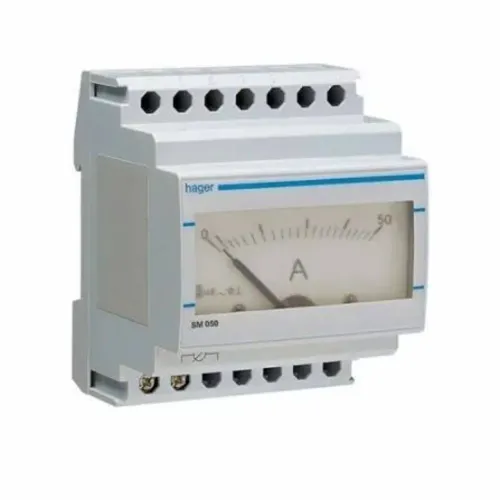
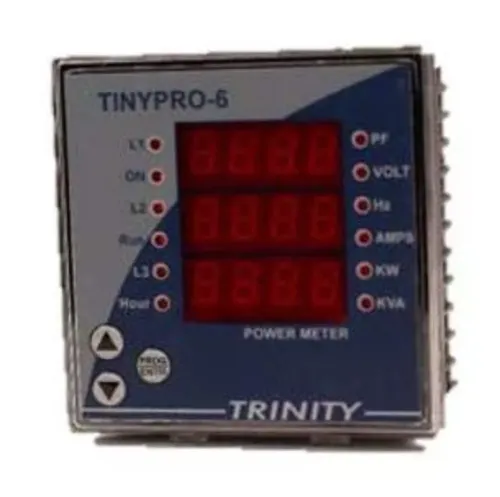
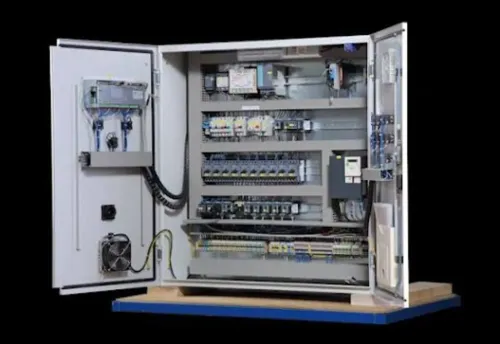
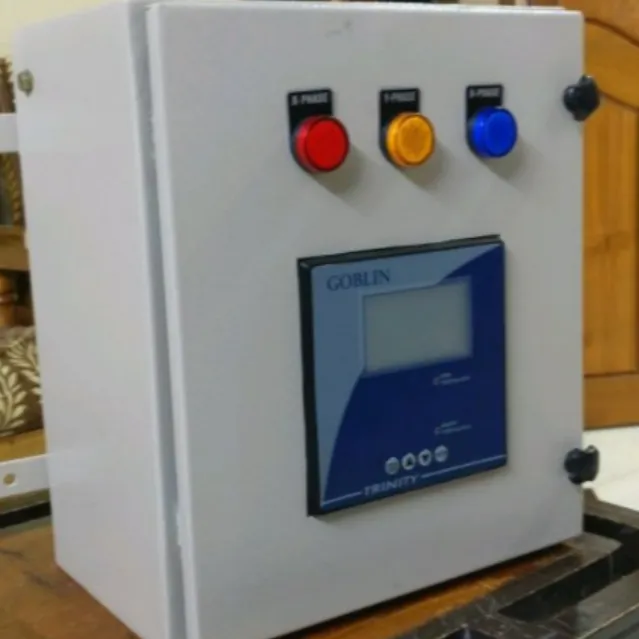
A demand controller is an intelligent electrical monitoring device that tracks real-time power demand and helps maintain it within a predetermined limit. Instead of allowing sudden spikes in electricity consumption, it provides alerts or automatically controls non-essential loads to prevent unnecessary demand charges.
Industries with multiple motors, compressors, HVAC systems, furnaces, pumps, and production machinery benefit significantly from demand control because electrical loads often change rapidly during production cycles.
Why Peak Demand Matters
Electricity bills generally include two major components:
- Energy consumed (kWh)
- Maximum demand (kVA or kW)
While reducing energy consumption lowers one part of the bill, uncontrolled peak demand can still increase overall electricity costs.
Managing maximum demand allows businesses to make better use of their available electrical infrastructure without exceeding sanctioned limits.
Sign 1: Your Electricity Bills Keep Increasing Despite Similar Production
If production levels remain relatively unchanged but electricity bills continue to rise, excessive peak demand could be one of the reasons.
Sudden operation of multiple heavy electrical loads during the same period often causes demand spikes that increase billing charges.
A demand controller helps distribute loads more efficiently, reducing these unnecessary peaks.
Sign 2: Heavy Machinery Starts Simultaneously
Many industrial facilities operate several large machines that start at the beginning of a production shift.
Examples include:
- Air compressors
- Chillers
- Large motors
- Hydraulic systems
- Material handling equipment
- Pumps
When these machines start together, electrical demand rises sharply.
A demand controller helps stagger selected loads where appropriate, minimizing unnecessary peak demand.
Sign 3: Frequent Transformer Overloading
Transformers perform best when electrical loads remain balanced within their designed capacity.
Repeated peak loading can result in:
- Excessive heating
- Reduced transformer life
- Increased maintenance
- Lower system reliability
Monitoring and controlling demand helps maintain healthier loading conditions while improving transformer performance.
Sign 4: Limited Capacity for Future Expansion
Many industries eventually reach the limit of their sanctioned electrical demand.
Instead of immediately applying for additional electrical capacity, businesses should first evaluate how efficiently their existing demand is being utilized.
A demand controller often helps optimize load management, allowing facilities to operate more efficiently within the available electrical capacity.
Sign 5: Lack of Visibility into Electrical Demand
Many businesses monitor monthly electricity bills but do not monitor demand throughout the day.
Without real-time information, it becomes difficult to identify:
- When demand peaks occur
- Which equipment contributes most
- Opportunities for load scheduling
- Potential cost-saving improvements
A demand controller provides valuable operational data that supports informed energy management decisions.
Features to Look for Before Buying
Not all demand controllers offer the same capabilities.
When evaluating available options, consider features such as:
- Real-time demand monitoring
- Programmable demand limits
- Load priority management
- Alarm notifications
- Historical demand recording
- Communication compatibility
- Easy configuration and operation
Selecting features that match your facility's operational requirements ensures better long-term performance.
Why Technical Guidance Is Important
Choosing a demand controller involves understanding the facility's electrical load profile rather than simply selecting a device from a catalogue.
An experienced supplier can help evaluate:
- Existing demand patterns
- Connected electrical loads
- Expansion plans
- Panel compatibility
- Suitable control strategy
This technical approach helps industries achieve better results from their investment.
Smarter Energy Management for Growing Industries
As industrial development continues across Nagpur, businesses are increasingly adopting intelligent power management solutions to improve efficiency and control operating expenses. Demand controllers have become an essential part of modern electrical systems because they provide greater visibility into power usage while helping industries avoid unnecessary demand charges.
Contact Electrical & Automation Pvt. Ltd. supplies industrial power management products, electrical automation solutions, and power distribution equipment for manufacturing plants, commercial buildings, and infrastructure projects. Businesses considering demand management solutions can also explore technical information through contacteapl.in to better understand suitable products for their facilities.
Installing a demand controller is not only about reducing electricity bills. It is about making smarter use of available electrical capacity, protecting critical infrastructure, and creating a more efficient power management strategy that supports long-term industrial growth.
Keywords