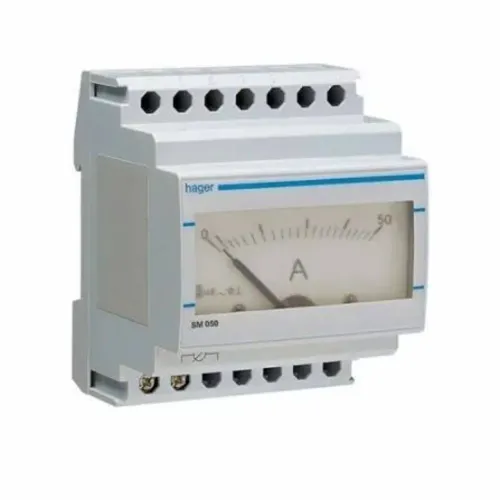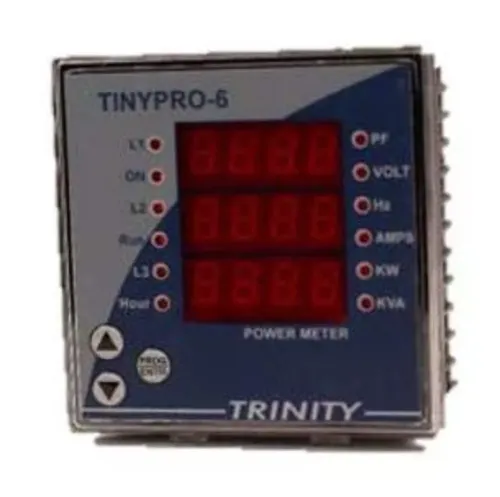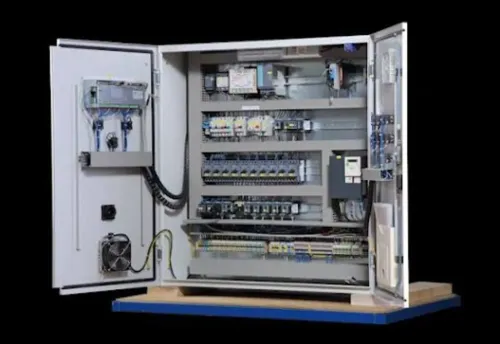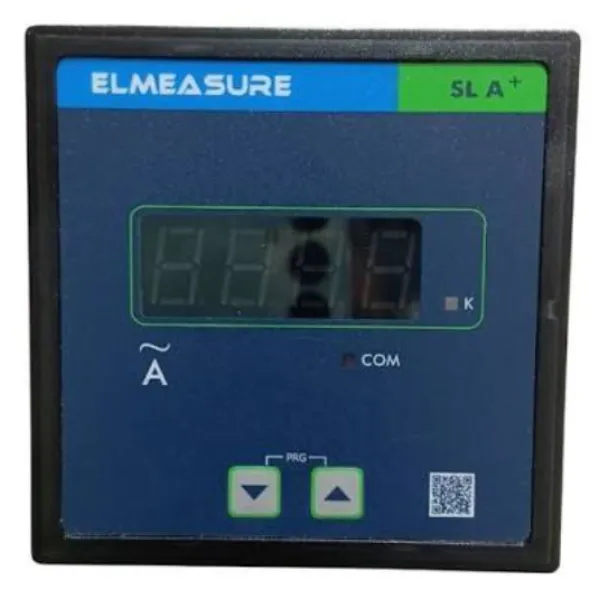
Selecting the right measuring instrument is just as important as choosing the equipment it monitors. A single phase ammeter may appear to be a simple device, but its accuracy directly influences maintenance decisions, equipment protection, and the overall reliability of an electrical system. Unfortunately, many industries and commercial facilities make avoidable mistakes during the purchasing process, leading to inaccurate readings, compatibility issues, and unnecessary replacement costs.
For businesses in Akola, where industrial units, commercial buildings, educational institutions, and healthcare facilities depend on stable electrical systems, investing in the right Single Phase Ammeter Supplier can improve long-term operational efficiency. Understanding what to avoid before making a purchase helps ensure the instrument performs reliably for years.
Why a Single Phase Ammeter Is Important
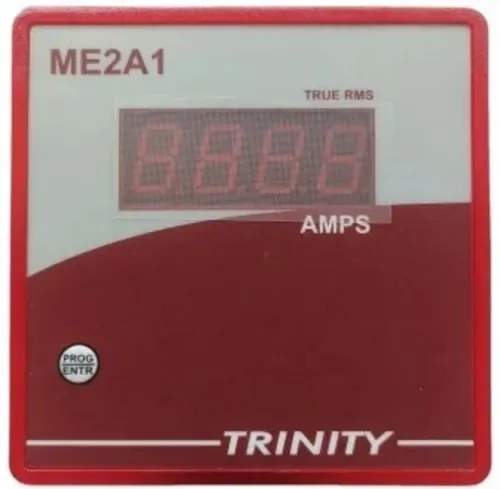
A single phase ammeter continuously measures the current flowing through an electrical circuit. It helps maintenance teams monitor equipment performance, detect abnormal current consumption, and identify potential electrical faults before they become serious problems.
These instruments are widely used in:
- Commercial distribution panels
- Office buildings
- Educational institutions
- Hospitals
- Retail outlets
- Residential complexes
- Small manufacturing units
- Generator panels
- Pump control panels
While the instrument itself is compact, the information it provides plays an important role in maintaining electrical safety and reducing unexpected downtime.
Mistake 1: Choosing Only Based on Price
One of the most common purchasing mistakes is selecting the lowest-priced ammeter without considering quality or technical specifications.
Low-cost instruments may initially appear economical, but inaccurate measurements, poor build quality, and shorter service life often increase maintenance expenses over time.
Instead of focusing only on price, evaluate:
- Measurement accuracy
- Product quality
- Manufacturer reputation
- Warranty support
- Long-term reliability
A dependable measuring instrument often provides greater value throughout its operating life.
Mistake 2: Ignoring the Required Measurement Range
Every electrical installation operates within a specific current range.
Choosing an ammeter with an unsuitable measurement range can lead to:
- Inaccurate readings
- Difficulty monitoring equipment
- Reduced measurement precision
- Future replacement requirements
Before purchasing, calculate the expected operating current and consider possible future load expansion.
Selecting an instrument with an appropriate range ensures better long-term performance.
Mistake 3: Overlooking Installation Compatibility
Not every ammeter fits every electrical panel.
Before placing an order, verify:
- Panel cut-out dimensions
- Mounting arrangement
- Wiring configuration
- Current transformer compatibility
- Available installation space
Ignoring these factors may increase installation costs or require unnecessary panel modifications.
An experienced supplier can help identify products that integrate smoothly into existing electrical systems.
Mistake 4: Forgetting About the Operating Environment
Industrial and commercial electrical panels often operate in demanding environments.
Factors such as:
- Dust
- Heat
- Humidity
- Continuous operation
- Mechanical vibration
can affect measuring instruments over time.
Choosing an ammeter designed for industrial applications helps maintain stable performance even under challenging conditions.
Equipment durability should always be considered alongside technical specifications.
Mistake 5: Buying Without Technical Guidance
Electrical measurement devices should never be treated as standard commodities.
Different industries have different operating requirements, and selecting the wrong product may affect both performance and maintenance planning.
Working with an experienced supplier provides access to valuable technical guidance, including:
- Product selection
- Application suitability
- Installation recommendations
- Future expansion planning
- Product compatibility
This support often prevents costly purchasing mistakes.
How to Identify a Reliable Supplier
Before making a purchasing decision, ask a few practical questions.
Does the supplier understand industrial applications?
Can they explain the difference between available products?
Do they offer guidance based on technical requirements rather than simply recommending the most expensive model?
Can they support future upgrades if your electrical system expands?
A supplier who can answer these questions confidently usually becomes a valuable long-term business partner rather than just a product vendor.
Supporting Better Electrical Monitoring
As industries and commercial developments continue growing across Akola, dependable electrical monitoring has become increasingly important for improving equipment reliability and maintenance efficiency.
Contact Electrical & Automation Pvt. Ltd. provides electrical measuring instruments, industrial automation products, and power distribution solutions for businesses across the region. Companies planning electrical panel upgrades or new installations can also refer to contacteapl.in to review product information and better understand available monitoring solutions.
Avoiding these five common mistakes can make a significant difference in the performance and lifespan of a single phase ammeter. Choosing the right instrument—and sourcing it from an experienced supplier—helps businesses build safer electrical systems, improve preventive maintenance, and support reliable day-to-day operations.
Keywords